Submitted by mhicks on Sun, 07/10/2011 - 06:11
There was an article in the New York Times recently that summarized findings of scientists studying the effects of light on sleep/wake cycles. One of the most interesting findings, for historians of computing, was the fact that the bright, bluish light put out by modern computer screens very effectively suppresses the body's ability to generate melatonin, and therefore to sleep well and regularly. Disturbed sleep, however, was not the only effect observed.
Submitted by cfmcdonald on Mon, 07/04/2011 - 18:30
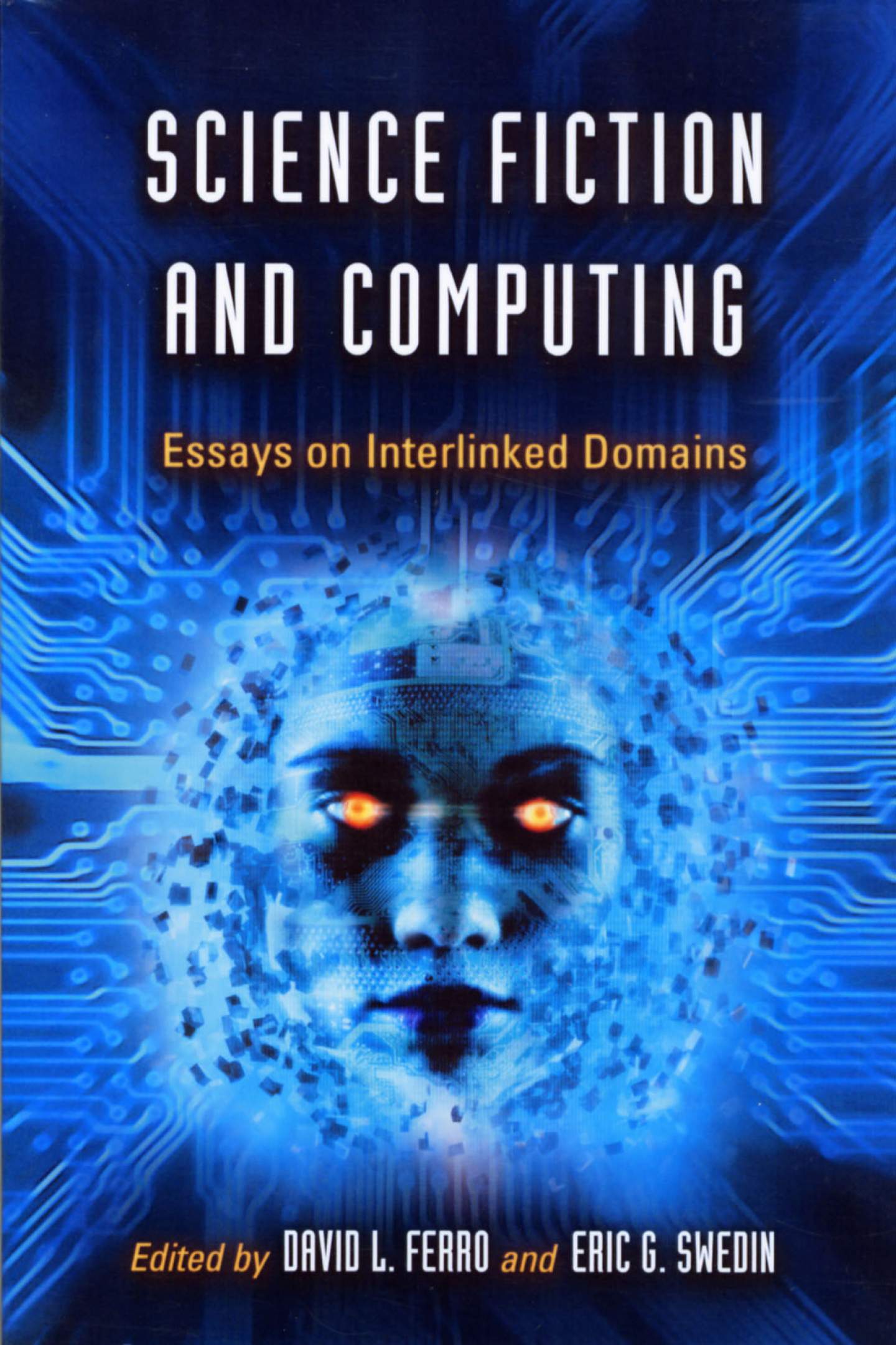
David Ferro recently posted on the SIGCIS mailing list about the release of his and Eric Swedin's new edited volume, Science Fiction and Computing. This is a sequel, of sorts, to a workshop at the Society for the History of Technology meeting in Tacoma last fall. I thought it would be appropriate to re-post this announcement here for further publicity and discussion, given the extent to which the book is a product of this community. As David wrote, the contributors (other than the editors themselves) include Thomas Haigh, Janet Abbate, Paul Ceruzzi, David A.
Submitted by cfmcdonald on Wed, 06/22/2011 - 09:47
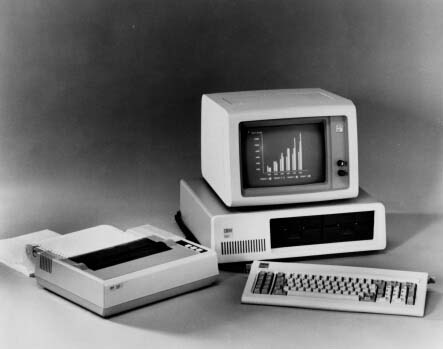
Journalists across the Web (mostly) celebrated the 100th birthday of IBM last week, on June 16th. See for instance, coverage at The New York Times, Wired, and Forbes. My history of computing colleagues at the IT History blog also covered the story, with a business history perspective from Joel West. As a former IBMer, I can't help but feel a small twinge of pride at this milestone.
Submitted by Dave Walden on Mon, 06/20/2011 - 10:49
There are many excellent individually maintained websites that give bits of computer history, for instance,
Submitted by cfmcdonald on Sun, 06/12/2011 - 21:45
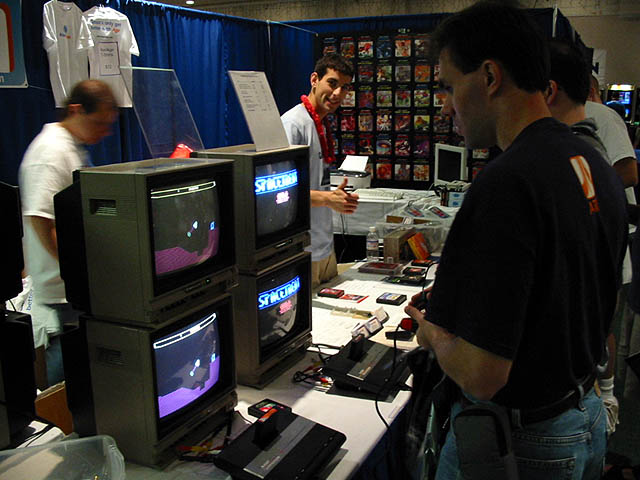
The annual Electronics Entertainment Expo (E3) is where video game companies have congregated since 1995 to show off their forthcoming gadgets and games to the press. It is a bombastic celebration of the latest and greatest, the newest and shiniest. Any attention to the past is, for the most part, uncomfortably out of place there.
Submitted by cfmcdonald on Mon, 06/06/2011 - 09:08
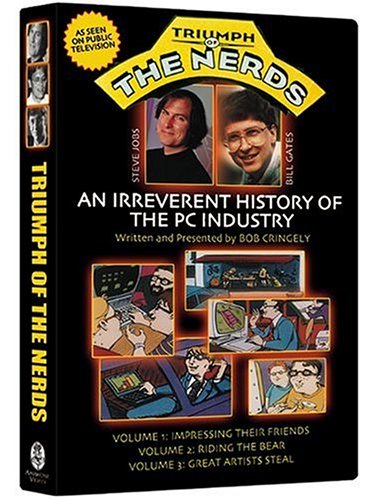
Next month, the Computer History Museum in Mountain View is screening a new documentary called Something Ventured. To my knowledge, this is the first documentary on the history of computing intended for theaters. Okay, technically it is a history of venture capital, not computing. But the primary focus is on entrepreneurial firms in computing or closely related industries: Intel, Atari, Apple, and Cisco are featured prominently. This has inspired me to consider the state of history of computing documentaries. Most of them that I'm aware of have been made for television.
Submitted by cfmcdonald on Sat, 05/21/2011 - 22:14
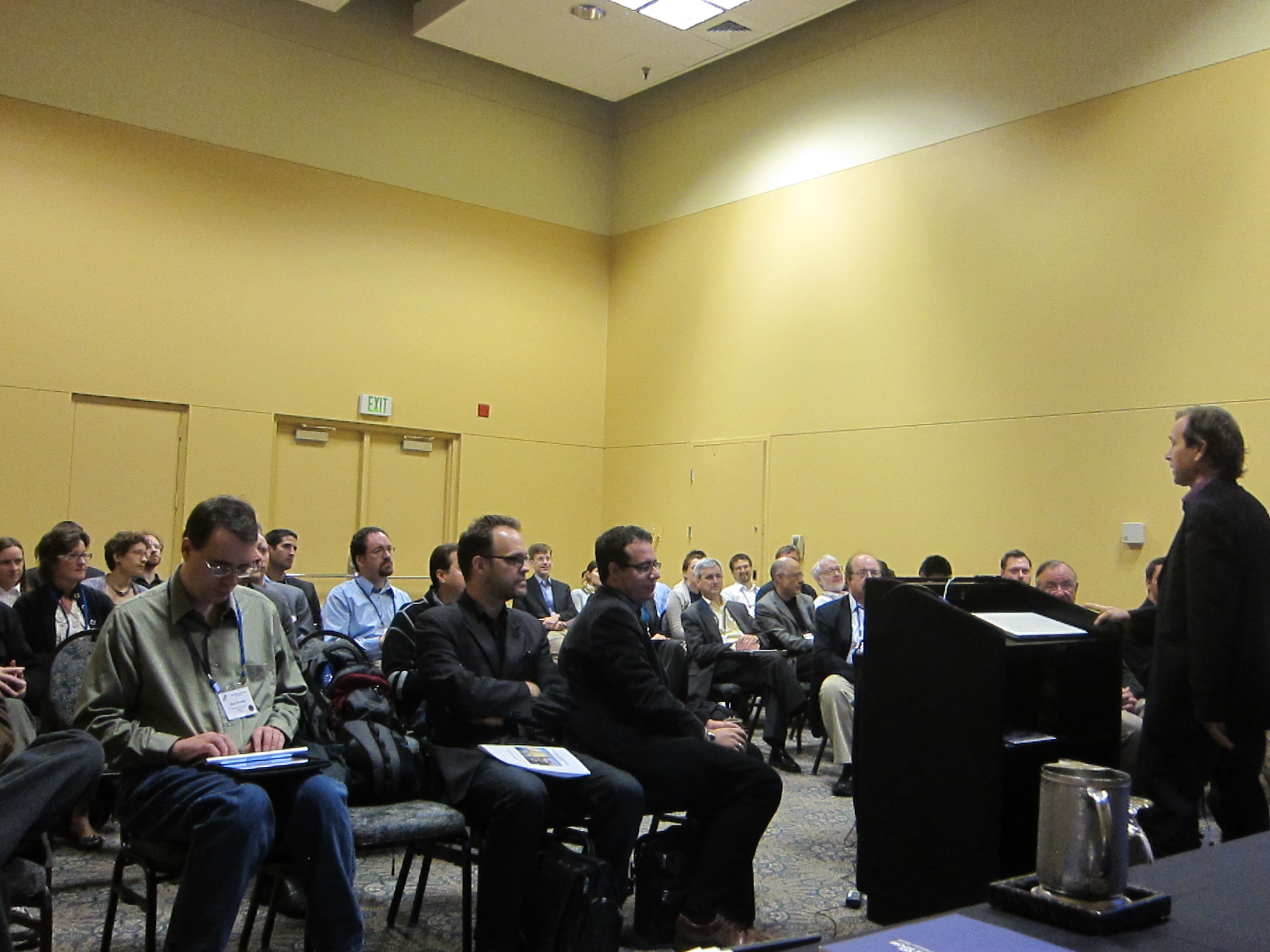
Tom Haigh has begun putting photo galleries from the SIGCIS meetings up on this very site. You may find them here. Thanks to Tom for putting in the work to make this happen. Like any blog post (hint-hint!) these images are open for comment. So if you have a funny story, thoughtful recollection, or just a complaint about Tom's repeated photographs of the back of your head, please post away! Also, if you have any photos from any SIGCIS event that you'd be willing to share, Tom would love to hear from you.
Submitted by cfmcdonald on Sun, 05/15/2011 - 22:10
Tom Haigh's recent announcement of the completion of his edited volume of Mike Mahoney's work seems a good time to put down some brief thoughts about the brief time that I knew him.
Submitted by thaigh on Fri, 05/13/2011 - 16:17
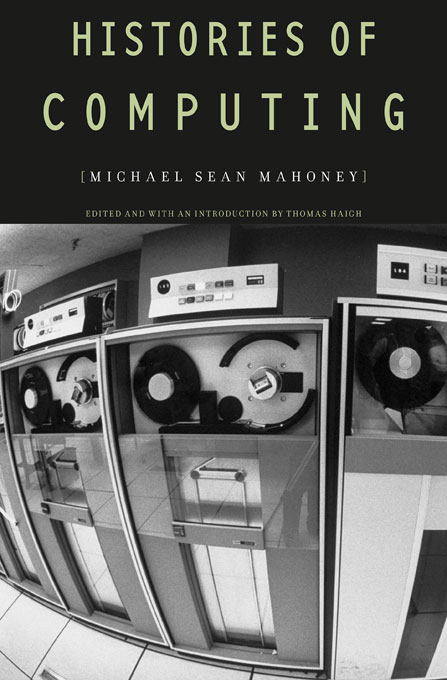
Earlier this week I received a full set of authors copies of Histories of Computing, the edited works of Michael S. Mahoney on the history of computing. These were shipped from the Trilateral warehouse, which handles Harvard distribution, so I assume the book can now be ordered. I’ll be sure to set aside one or two copies for the SIGCIS book auction in Cleveland later this year.
Submitted by cfmcdonald on Sat, 05/07/2011 - 16:41
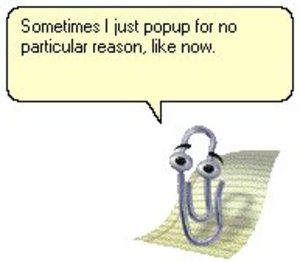
The Atlantic's James Fallows posted recently on the 10-year anniversary of the demise of Microsoft Office's "Clippy" (officially the Office Assistant), the cartoon paperclip helper that would pop up to offer advice and suggestions while a user was creating a document.
Pages



 Copyright
2026 SIGCIS | e-mail webmaster | SIGCIS is affiliated with the Society for the History of Technology (SHOT)
Copyright
2026 SIGCIS | e-mail webmaster | SIGCIS is affiliated with the Society for the History of Technology (SHOT)